

Thanksgiving Hosting Hazards: When Guests Get Hurt, Are Homeowners Liable?
A slick kitchen floor from cooking splatter or spills, a dog startled by visiting children, a loose step that everyone in the family knows to avoid. At Thanksgiving, familiar household flaws can become serious hazards for people who have never set foot in the home. If someone gets hurt, the legal question is rarely as simple as who owns the property.
The scale of seasonal risk is substantial. In a November 2025 advisory, the U.S. Consumer Product Safety Commission reported an average of 1,400 cooking fires on Thanksgiving Day, more than three times the daily average. That number describes fires, not lawsuits, but it shows how quickly a busy holiday kitchen can turn dangerous.
Russell “Rusty” Reynolds, JD, Founding Partner of the Reynolds & Reynolds Law Firm, argues that hosts should think about preventable injuries before guests arrive, particularly when the house will be crowded or unfamiliar to visitors. “The question after a serious injury is often what the homeowner knew, what could reasonably have been done, and whether a guest was left exposed to a danger without warning” he says.
That distinction matters because premises liability is not automatic liability. State law determines the duty a property owner owes to a visitor. For example, in Texas, where Reynolds practices, social guests are generally treated as licensees, a category different from paying customers. The homeowner’s actual knowledge of a concealed, unreasonably dangerous condition can be central to the claim. Other states classify visitors differently, and separate rules can apply to children, animals and certain activities.
Consider a rug that bunches up at the front door. A first-time slip on an otherwise ordinary rug may present a very different case from a rug that has caused repeated near-falls and was left unsecured despite the homeowner’s awareness. A homeowner who knows a stair railing is loose should not assume guests will notice it. “You cannot prevent every accident, but you can address the dangers you already know about,” Reynolds advises. “A warning is useful when a hazard cannot be fixed immediately. Repairing or removing the hazard is usually the better starting point.”
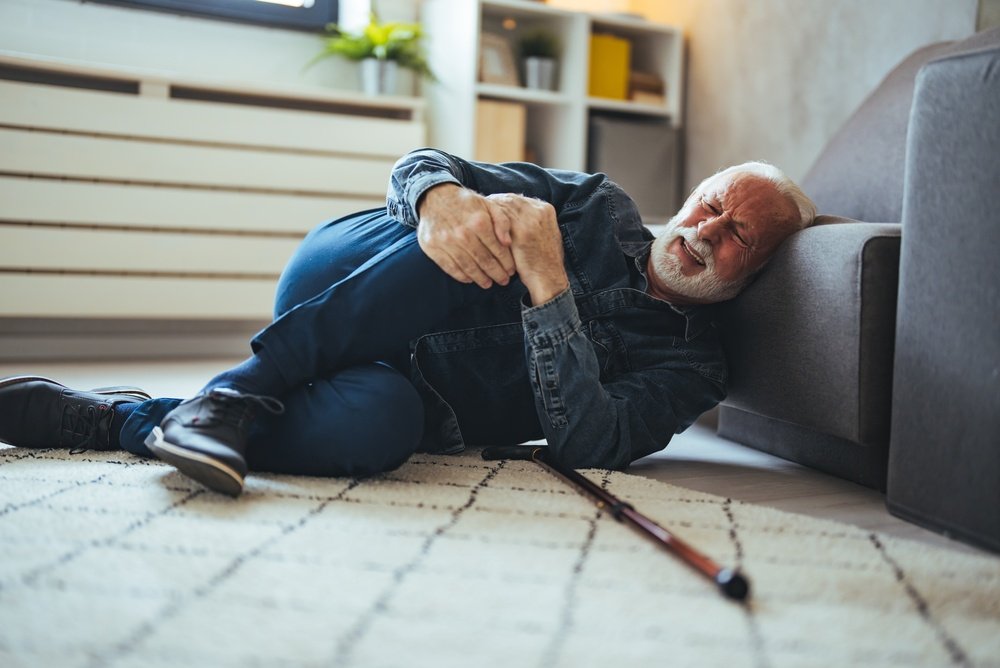
Older guests deserve particular attention. The Centers for Disease Control and Prevention reports that more than 14 million Americans ages 65 and older fall each year. That is a nationwide measure across settings, not a count of holiday injuries. It nevertheless makes a practical case for checking lighting, bathroom mats, thresholds and stairs before elderly relatives arrive.
A different problem may be waiting under the dinner table. Insurance Information Institute and State Farm data released in April 2026 show 28,450 dog-bite and other dog-related injury claims during 2025. Insurers paid approximately $1.86 billion, with an average claim cost of $65,450. Those figures cover the entire year, but a house full of unfamiliar people, noise and food can create conditions in which even a usually gentle dog becomes stressed.
“Your dog may be comfortable with your family and still react badly when a toddler grabs its collar or a visitor reaches toward its food,’ Reynolds says. “If you have any reason to question how your pet will respond, separate it from guests. Hoping for the best is not a safety plan.”
Reynolds recommends a deliberate pre-guest walkthrough rather than a quick cosmetic cleanup:
- Walk the route guests will actually use, from driveway and front steps to bathrooms and outdoor seating. Check lighting, handrails, cords and uneven surfaces.
- Treat spills and loose mats as immediate problems. Assign someone to monitor high-traffic areas once guests arrive.
- Create a no-guest zone around ovens, hot pans, fryers and carving stations, especially when children are present.
- Secure pets before the doorbell starts ringing; do not rely on guests to manage animal interactions.
- Lock or supervise access to pools and spas, and designate an adult to watch children without distractions.
- Check homeowners or renters liability limits, medical-payments provisions and exclusions involving dogs, pools or alcohol-related incidents.
Alcohol requires a separate conversation. “Social-host liability varies considerably by state, especially when minors are served,” Reynolds says. “A host should not assume that collecting car keys or offering a ride erases legal exposure. “If someone is visibly impaired, the responsible response is to stop serving them and help them get home safely. The legal rules differ, but the preventable risk is obvious.”
If an injury occurs, Reynolds recommends getting appropriate medical assistance first, then preserving the facts: photograph the condition before it changes, identify witnesses, keep relevant messages and maintenance records, and promptly notify the insurer. Avoid speculating about fault or pressuring an injured guest to minimize what happened. An insurer may provide a legal defense and pay covered damages, but policy terms and limits control the protection available.
“The most useful question a host can ask is not whether somebody might sue; It is whether a person walking into this house for the first time will encounter a danger the family has learned to ignore,” Reynolds notes. “That is a more useful Thanksgiving checklist than waiting until an ambulance arrives to discover which repairs should have happened last week.”
~~~
Entrepreneur Leadership Network member Merilee Kern, MBA, is a highly regarded brand strategist and analyst who reports on cultural shifts, trends, and notable industry leaders across both B2C and B2B sectors. Her work covers a broad range of categories, including field experts, thought leaders, brands, products, services, destinations, and events. As Founder, Executive Editor, and Producer of The Luxe List International News Syndicate, Merilee is a respected marketplace voice whose work reaches millions worldwide through broadcast TV (including her own shows and numerous others on which she appears) as well as a variety of print and online publications. Connect with her at www.TheLuxeList.com / Instagram www.Instagram.com/MerileeKern / Twitter www.Twitter.com/MerileeKern / Facebook www.Facebook.com/MerileeKernOfficial / LinkedIN www.LinkedIn.com/in/MerileeKern.
Sources
https://www.cpsc.gov/Newsroom/News-Releases/2026/Put-Safety-on-the-Menu-Consumer-Product-Safety-Commission-Offers-Safe-Cooking-Tips-for-a-Joyful-Holiday-Season
https://www.cdc.gov/falls/data-research/
https://www.iii.org/blog/dog-related-injury-claims-on-the-rise-in-2025
***Some or all of the accommodations(s), experience(s), item(s) and/or service(s) detailed above may have been provided at no cost and/or arranged to accommodate this review, but all opinions expressed are entirely those of Merilee Kern and have not been influenced in any way as per the disclosure policy on our “Legal” page***