

The Wagyu House Brings Butcher-Driven Approach to the Modern Steakhouse Experience
Gabriel Llaurado, Co-Founder and Chief Marketing Officer of Meat N’ Bone, delves into the butcher-forward dining experience taking shape in Hallandale Beach, Florida
South Florida has no shortage of steakhouses promising premium cuts and lavish dining. The Wagyu House in Hallandale Beach, just north of Miami, enters that crowded field from a decidedly different direction. Rather than building a restaurant concept first and sourcing the beef to fit it, the team started with years of experience on the other side of the butcher counter. Meat N’ Bone had already developed its business around sourcing, butchering, selling and educating consumers about premium proteins before creating The Wagyu House. The restaurant effectively brings that expertise into the dining room, giving guests the opportunity to taste the distinctions they may have previously encountered only as grades, origins and marbling scores.
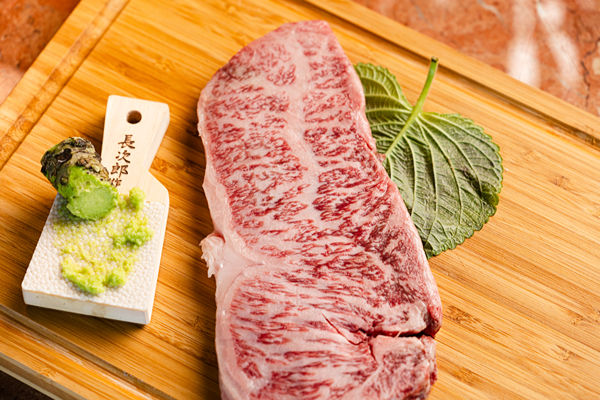
That foundation is especially relevant as Wagyu has become an increasingly familiar presence on steakhouse menus, even though the term itself tells you relatively little about what will ultimately arrive on your plate. USDA Prime, American Wagyu and Japanese A5 can deliver dramatically different experiences in richness, texture, marbling and flavor. Even within Japanese A5, region, producer, breed, cut and Beef Marbling Score can change the experience considerably. At The Wagyu House, the idea is to make those distinctions approachable and help diners determine what suits their own palate rather than assume that the rarest or most expensive option must automatically be the best choice.
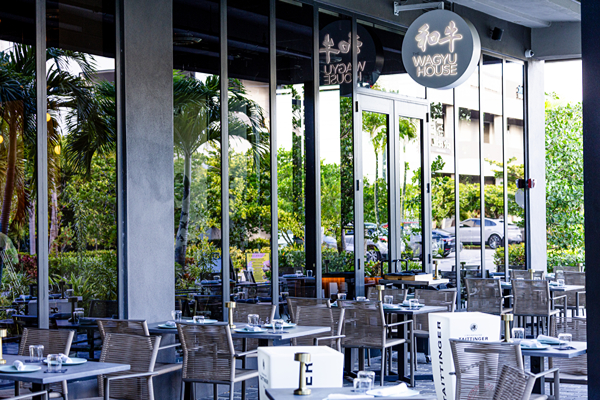
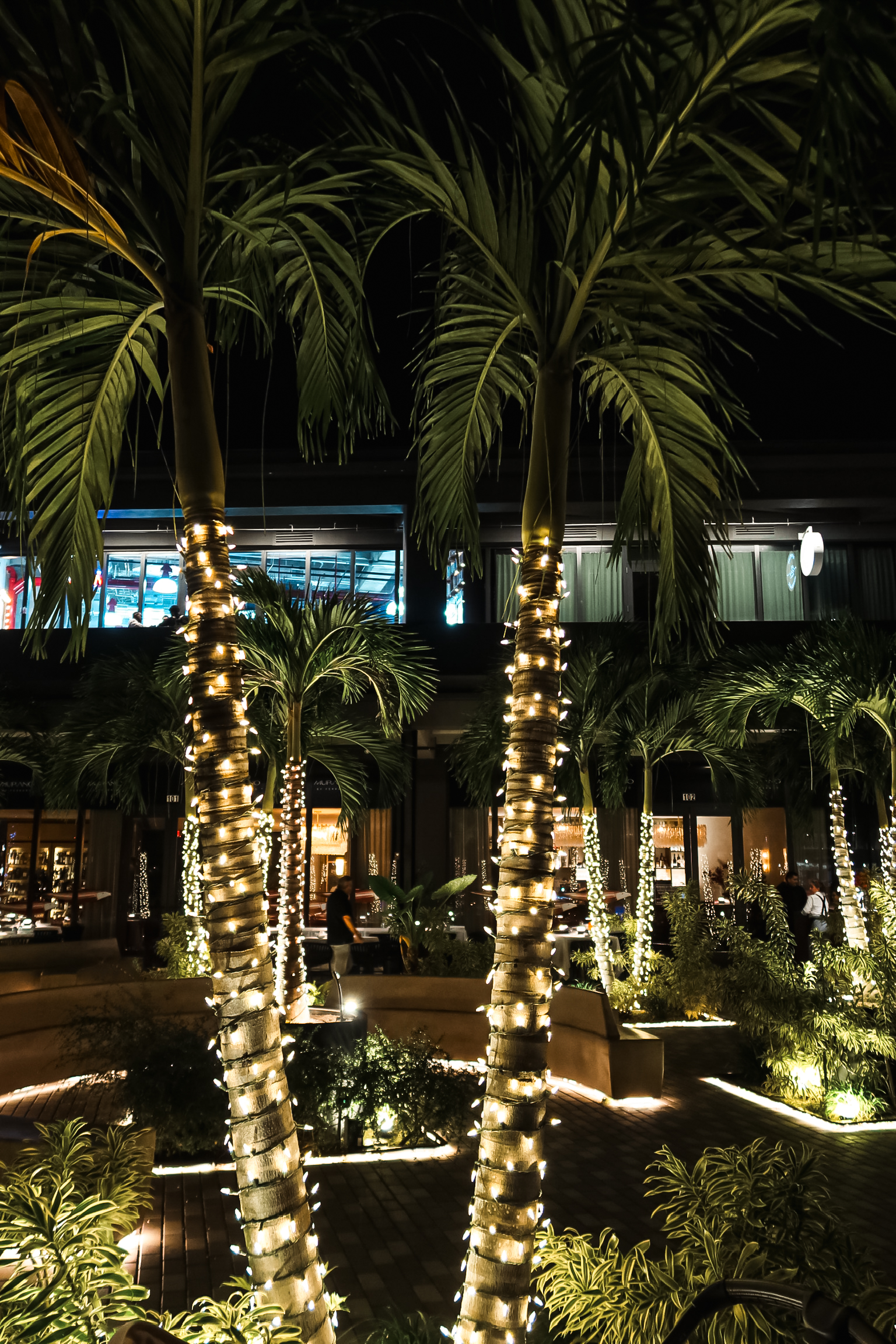 Located at Atlantic Village at 601 N. Federal Highway, The Wagyu House puts that philosophy into practice through a menu that encourages exploration. Michelin-trained Chef Chucho Rojas leads a kitchen with direct access to Meat N’ Bone’s sourcing network and broad portfolio of premium proteins. The restaurant pairs that butcher-driven approach with a garden-view dining room, marble bar and tropical patio, along with an integrated Meat N’ Bone boutique where guests can purchase premium proteins after experiencing them at the table. It creates an uncommon progression from tasting to understanding to potentially recreating part of the experience at home.
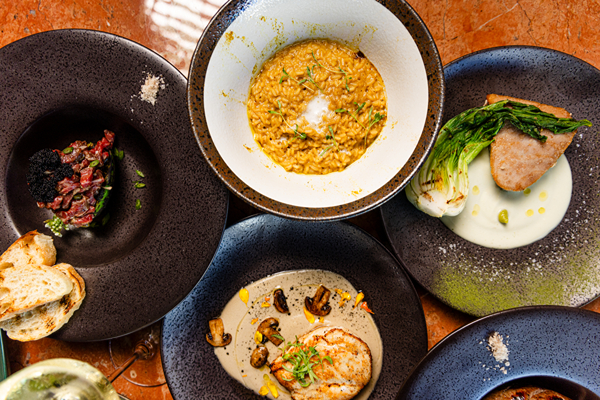
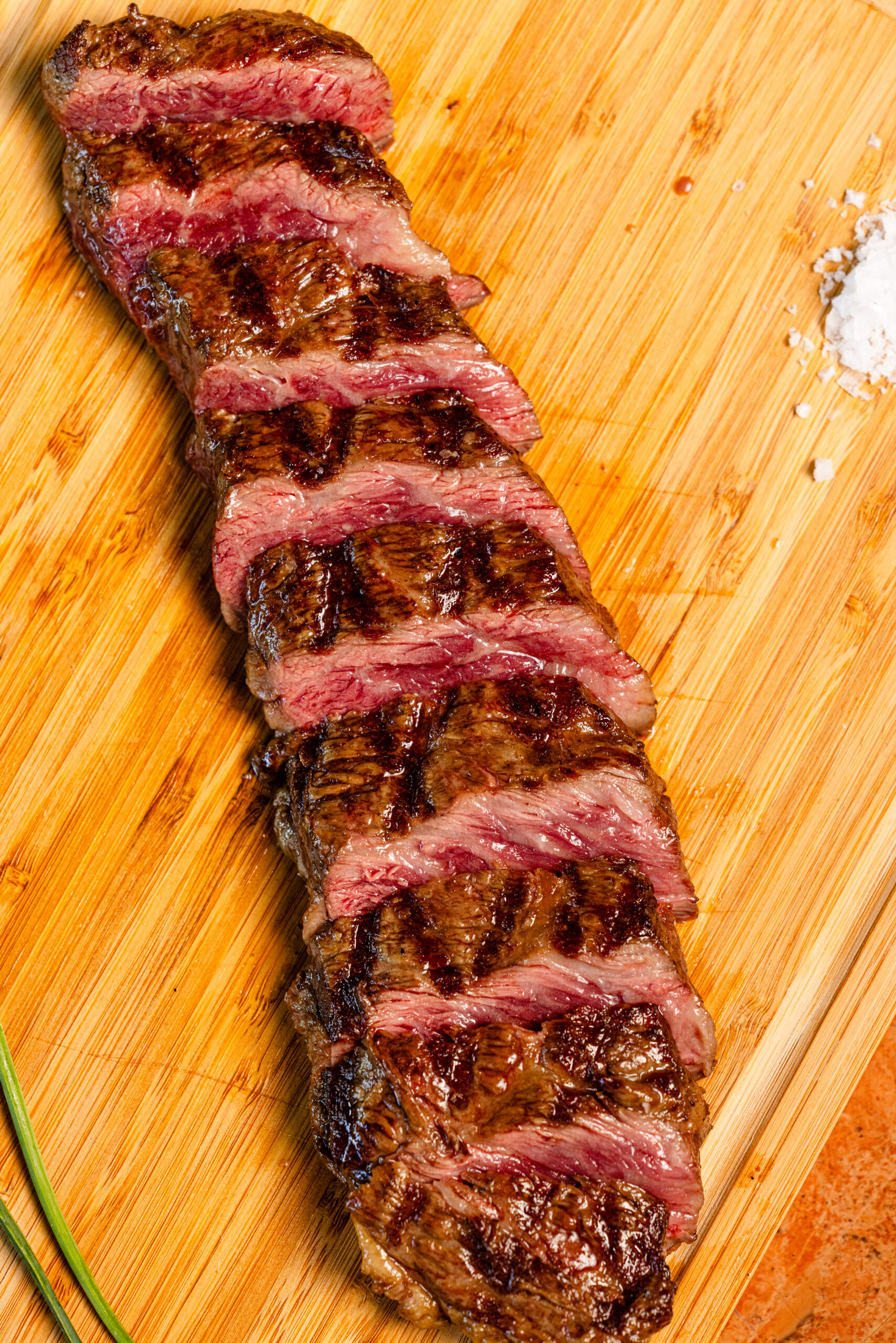
The menu makes a strong case for comparison. Charred Wagyu Tartare puts the restaurant’s defining protein front and center, while Garlic Butter Jumbo Crab Cakes demonstrate that its ingredient standards extend beyond beef. Among the steaks, the Denver Steak Wagyu BMS7+ offers the structure and beefiness familiar to American steak lovers along with heightened marbling and richness. Japanese A5 Miyazaki-Gyu Ribeye moves into altogether different territory, with intense marbling, richness and a texture intended to be savored in smaller bites. Japanese BBQ Glazed Salmon provides another route through the menu for diners who want something outside the steak program.
What emerges is a more personal proposition than simply ordering an extravagant cut of beef. You might arrive assuming Wagyu represents a single pinnacle of steak and discover that you prefer American Wagyu to Japanese A5, a Denver cut to ribeye, or a particular degree of marbling. That process of discovery is central to what The Wagyu House wants the meal to accomplish.
In the following exclusive interview, Gabriel Llaurado, Co-Founder and Chief Marketing Officer of Meat N’ Bone, explains how years of sourcing and butcher expertise shaped The Wagyu House, what diners should understand before paying a premium for Wagyu, how the restaurant helps guests navigate dramatically different cuts and grades, and why the ultimate measure of a successful meal here is not necessarily ordering the most expensive steak. It is leaving with a clearer understanding of what you actually like.
MK: What is still under-told about The Wagyu House, and what makes its foundation different from that of a traditional steakhouse?
GL: What I think is still under-told is that The Wagyu House is not simply another steakhouse that serves Wagyu. It was created by Meat N’ Bone, a company that spent years sourcing, butchering, selling and educating consumers about premium proteins before we ever opened this restaurant. That gives us a very different foundation. We can introduce guests to different grades, cuts, origins and styles of Wagyu and help them understand why they taste different. The goal is not just to serve an expensive steak; it is to create a place where guests can discover what they actually like.
MK: What are the three things that most clearly set the restaurant apart?
GL: First is access and sourcing. Through Meat N’ Bone, we have relationships and purchasing capabilities that give us access to exceptional Japanese and American Wagyu programs, specialty cuts and premium proteins. Second is education and variety. Wagyu is not one product. We want guests to experience the difference between USDA Prime, American Wagyu, Japanese A5, different marbling levels, cuts and Japanese regions rather than simply seeing “Wagyu” written on a menu. Third is the connection between restaurant and the Meat N’ Bone shop. Guests can have an incredible protein in the dining room and then walk into the integrated Meat N’ Bone boutique and continue that experience at home.
MK: How does the Meat N’ Bone foundation influence sourcing, menu development and quality control?
GL: It influences almost everything. A traditional restaurant often develops a menu and then looks for products that fit it. Because of Meat N’ Bone, we can sometimes work in the opposite direction: we discover an extraordinary producer, cut or protein and then ask ourselves how we can showcase it at the restaurant. We already have relationships with producers and suppliers, purchasing volume, receiving infrastructure and years of experience evaluating proteins. Our team understands grading, marbling, aging, specifications, provenance and how products perform. That means quality control does not begin when a box arrives at the restaurant. It starts with sourcing.
MK: Wagyu can mean very different things. What should diners understand before ordering?
 GL: One of the biggest misconceptions is treating “Wagyu” as if it were one product. USDA Prime is an American grading designation. American Wagyu generally involves Wagyu genetics raised in the United States and can offer an incredible balance between marbling and the traditional steak experience. Japanese A5 is something very different again, with much more intense marbling, richness and a unique texture. Even within Japanese A5, region, producer, breed, BMS score and cut can dramatically change the experience. We try to make that approachable rather than intimidating. For consumers, I think transparency matters. If a restaurant is charging a premium for Wagyu, you should be able to understand what you are eating: country of origin, grade, cut and ideally the producer or region when relevant.
MK: How would you guide a first-time guest choosing between the Denver Steak Wagyu BMS7+ and Japanese A5 Miyazaki-Gyu Ribeye?
GL: They are both Wagyu experiences, but they are dramatically different. The Denver Steak Wagyu BMS7+ is intensely flavorful and beautifully marbled, but it still has the structure and beefiness people associate with a traditional steak. It is a great choice for someone who wants the tenderness and richness of premium Wagyu while still eating a substantial steak. The Japanese A5 Miyazaki-Gyu Ribeye is much more decadent. The marbling is extraordinary, the fat melts at a very low temperature, and the texture can almost dissolve on the palate. If someone is trying Wagyu for the first time, we ask what they normally enjoy. If they love a classic steak experience, I may guide them toward the Denver. If they want to understand what makes Japanese A5 completely different from American beef, Miyazaki is an incredible introduction. Our job is not to sell somebody the most expensive steak. It is to help them order the steak they are going to enjoy the most.
 MK: The menu also reaches beyond steak. What do the Charred Wagyu Tartare, Jumbo Crab Cakes and Japanese BBQ Glazed Salmon reveal about the restaurant?
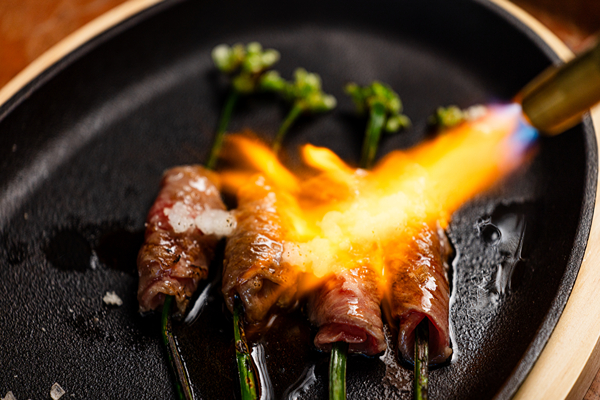
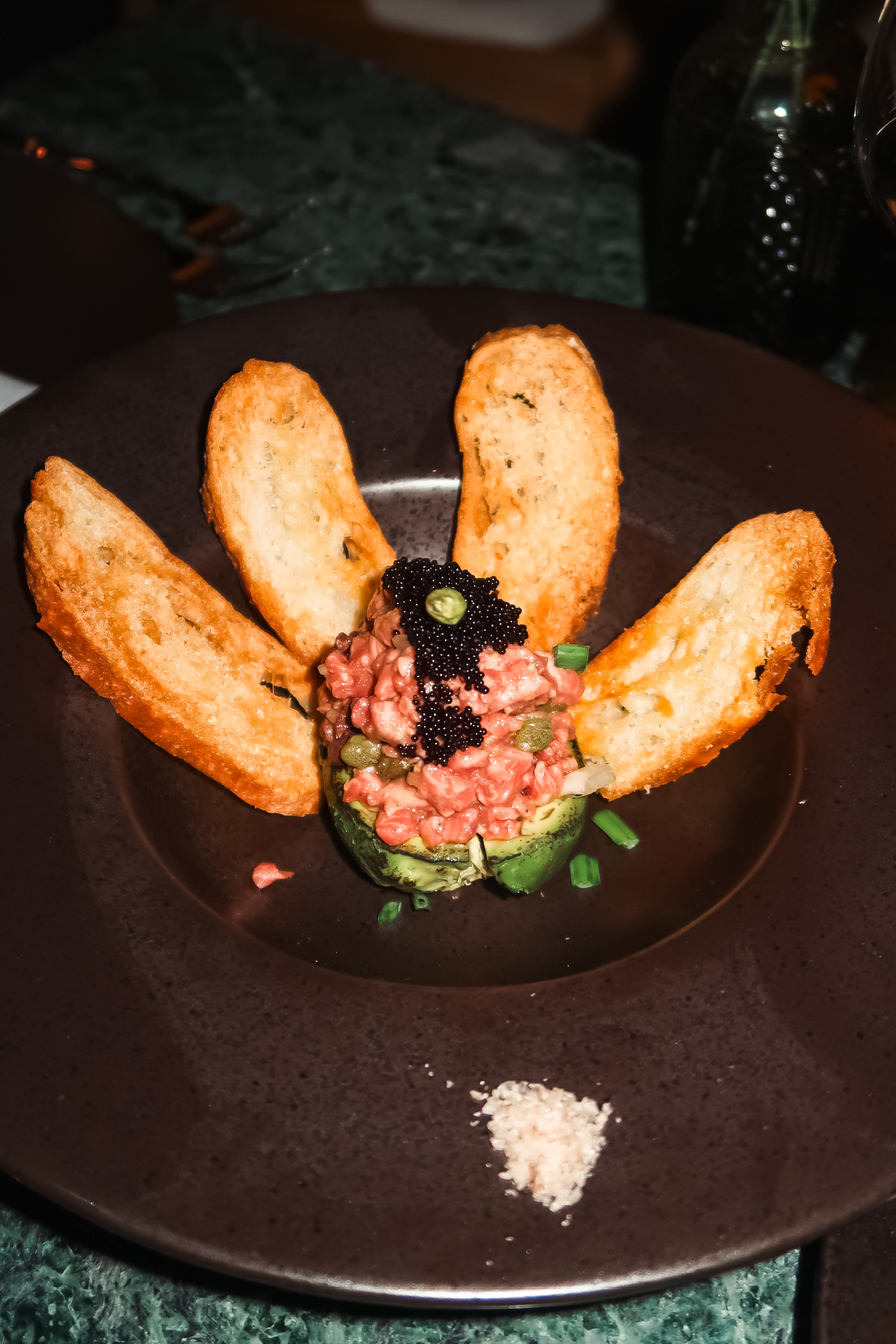
GL: The Charred Wagyu Tartare is very representative of our beef philosophy. The objective is to preserve the richness and texture of the Wagyu while using char and seasoning to add another layer of flavor without overwhelming the beef. The Jumbo Crab Cakes show another side of the restaurant. We are very serious about beef, but we are equally serious about the quality of everything else we put on the plate. The Japanese BBQ Glazed Salmon reflects the same philosophy we apply to our steaks: start with an excellent ingredient and build flavors around it that complement rather than disguise it. Wagyu may be the headline, but quality is the broader identity.
MK: Why did Atlantic Village and Hallandale Beach make sense for the concept, and what is the ideal evening for a traveler?
GL: Hallandale Beach was especially attractive to us because of how much the area is evolving. It sits between Miami and Fort Lauderdale, but more importantly, it is surrounded by growing communities where people are building their lives, raising families and increasingly looking for exceptional experiences closer to home. Atlantic Village is at the center of that evolution. For someone visiting The Wagyu House for the first time, the ideal evening would be to arrive early and spend some time exploring Atlantic Village before dinner. Then settle in at the bar for a cocktail before experiencing the menu and trying two very different Wagyu offerings side by side, perhaps an American Wagyu cut and Japanese A5. After dinner, guests can spend time on the patio, explore the Meat N’ Bone boutique to discover something to take home or ship later, or continue exploring Atlantic Village.
MK: What final point best captures what you want guests to understand about The Wagyu House?
GL: I think the biggest thing I would emphasize is that The Wagyu House is not a steakhouse that discovered Wagyu. It was created by a company that has spent years sourcing, butchering, selling and educating consumers about some of the world’s best proteins. That foundation gives us an opportunity to make premium dining more transparent and more educational. We want people to understand what they are eating, why it is special and, most importantly, what they personally enjoy.
Luxury does not have to mean intimidating. It can also mean having access to an extraordinary product, understanding its story and having people around you who are excited to share that knowledge.
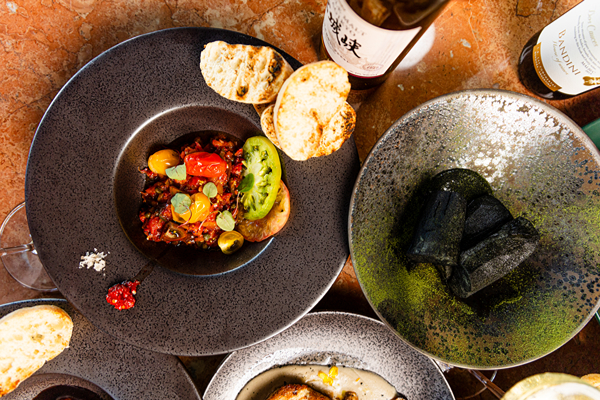
That last point gives The Wagyu House its strongest identity. The restaurant can certainly deliver the indulgence expected from Japanese A5, but the more memorable proposition is comparison. A diner who walks in knowing only the word “Wagyu” can leave with a preference for a country, grade, cut, marbling level or style of eating. The integrated butcher boutique then makes that discovery useful beyond dinner.
Atlantic Village adds another layer for visitors who tend to divide South Florida dining between Miami and Fort Lauderdale. Hallandale Beach sits between the two, close to Gulfstream Park and Shell Bay, while Atlantic Village brings dining, wellness, retail and family-oriented concepts into one open-air setting. That makes The Wagyu House easy to build into an evening rather than treat as a stand-alone reservation.
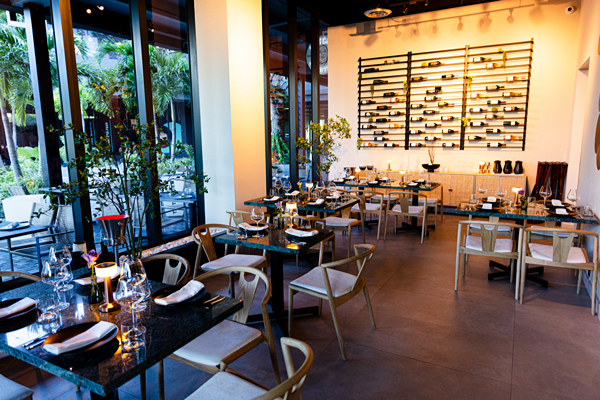
The result is a steakhouse experience built from product knowledge outward. You can order lavishly here, but price is not the organizing principle. Preference is. For anyone curious about what separates American Wagyu from Japanese A5, or why one richly marbled cut may suit your palate better than another, that shift makes dinner considerably more interesting.
~~~
Entrepreneur Leadership Network member Merilee Kern, MBA is an internationally-regarded brand strategist and analyst who reports on cultural shifts and trends as well as noteworthy industry change makers, movers, shakers and innovators across all categories, both B2C and B2B. This includes field experts and thought leaders, brands, products, services, destinations and events. As Founder, Executive Editor and Producer of “The Luxe List,” Merilee is a prolific business, lifestyle, travel, dining and leisure industry voice of authority and tastemaker. She keeps her finger on the pulse of the marketplace in search of new and innovative must-haves and exemplary experiences at all price points, from the affordable to the extreme. Her work reaches multi-millions worldwide via broadcast TV (her own shows and copious others on which she appears) as well as a myriad of print and online publications. Connect with her at www.TheLuxeList.com / Instagram www.Instagram.com/MerileeKern / X http://www.X.com/MerileeKern / Facebook www.Facebook.com/MerileeKernOfficial / LinkedIN www.LinkedIn.com/in/MerileeKern.
***Some or all of the accommodations(s), experience(s), item(s) and/or service(s) detailed above may have been provided or arranged at no cost to accommodate if this is review editorial, but all opinions expressed are entirely those of Merilee Kern and have not been influenced in any way.***
***Some or all of the accommodations(s), experience(s), item(s) and/or service(s) detailed above may have been provided at no cost and/or arranged to accommodate this review, but all opinions expressed are entirely those of Merilee Kern and have not been influenced in any way as per the disclosure policy on our “Legal” page***