

Bartender Quietly Builds a Multimillion Dollar Beverage Brand One Bloody Mary at a Time
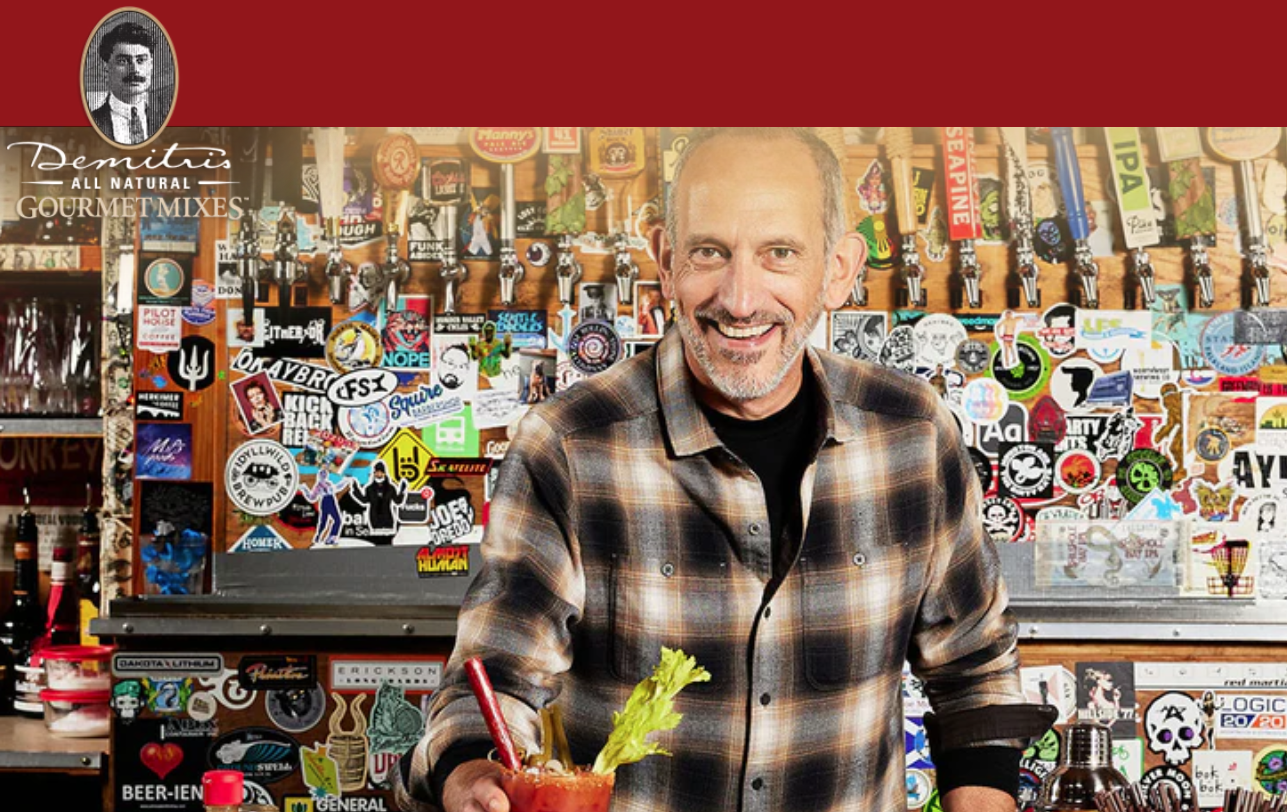
Long before “craft cocktail culture” became marketing shorthand and before social media transformed food and beverage brands into lifestyle empires, Seattle bartender Demitri Pallis was simply trying to survive a slammed game-day shift without running out of Bloody Mary mix.
It was 1989, and Pallis was bartending at The New Orleans Café near Seattle’s Seahawks stadium when the problem hit in real time. The bar was packed with football fans. Bloody Mary orders were flying in. Then suddenly, the mix was gone. The premium cocktails that had been driving sales disappeared almost instantly, replaced by far less profitable bottled beer orders. For Pallis, the frustration went beyond lost revenue. It highlighted a deeper operational issue plaguing bars everywhere: inconsistency, waste, and the constant struggle between quality and speed.
That single moment ultimately sparked what would become Demitri’s Gourmet Seasonings, a founder-led company that has quietly grown into a multimillion-dollar hospitality brand supplying restaurants, bars, casinos, hotels, golf clubs, and national chains across the United States and Canada.
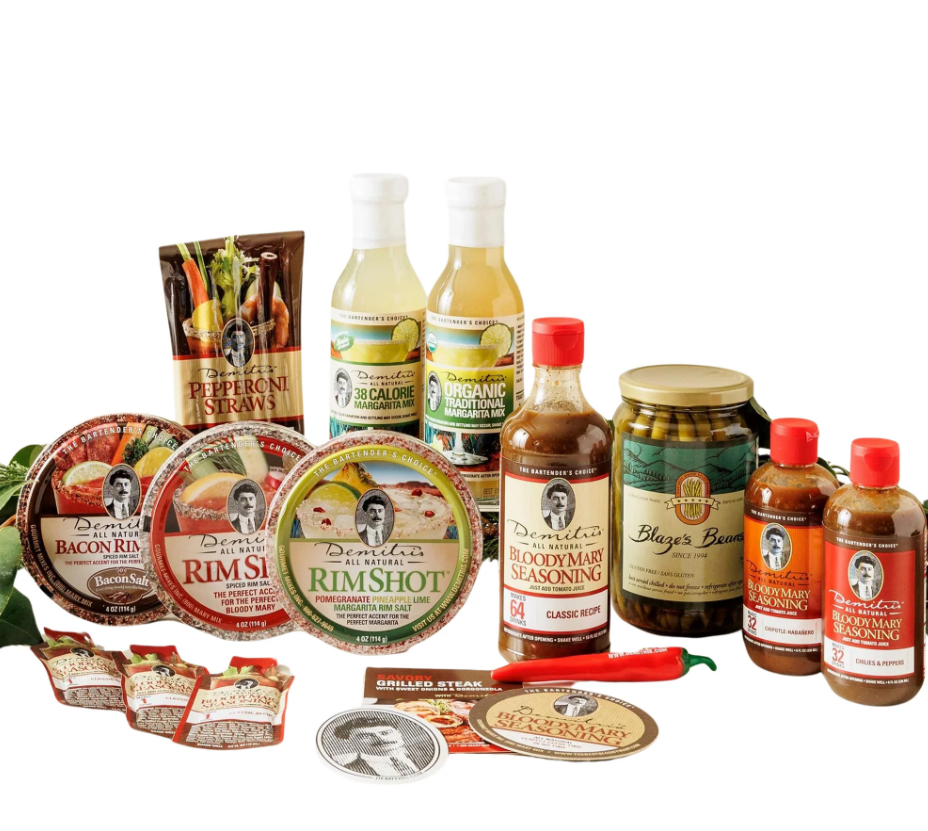
What makes the story particularly compelling in today’s startup-heavy business landscape is that the company did not scale through venture capital, celebrity endorsements, or massive marketing campaigns. Instead, it grew organically through bartender loyalty, operator retention, and product functionality. More than three decades later, Demitri’s continues to thrive largely through industry credibility and word-of-mouth adoption.
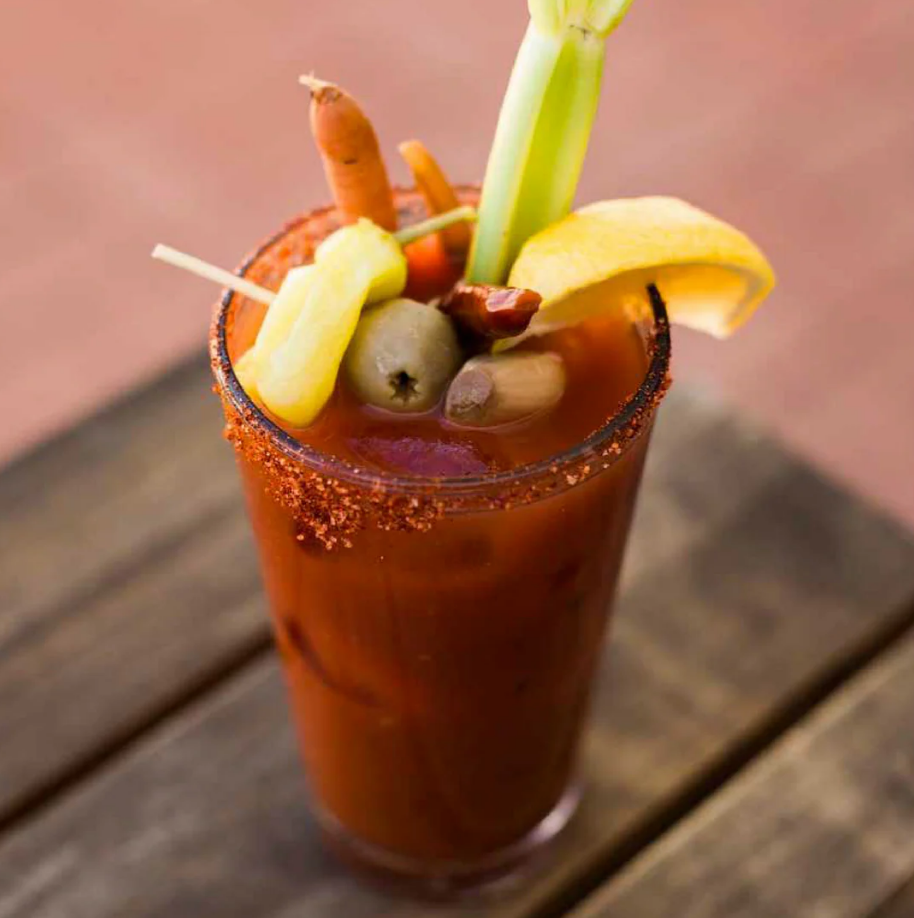
At its core, the company solved a deceptively simple but extremely common hospitality problem. Bottled Bloody Mary mixes often tasted flat, artificial, or overly processed, while scratch-made recipes created operational headaches behind the bar. Bartenders struggled to maintain consistency from shift to shift, batches spoiled if too much was prepared, and high-volume service periods made handcrafted preparation nearly impossible.
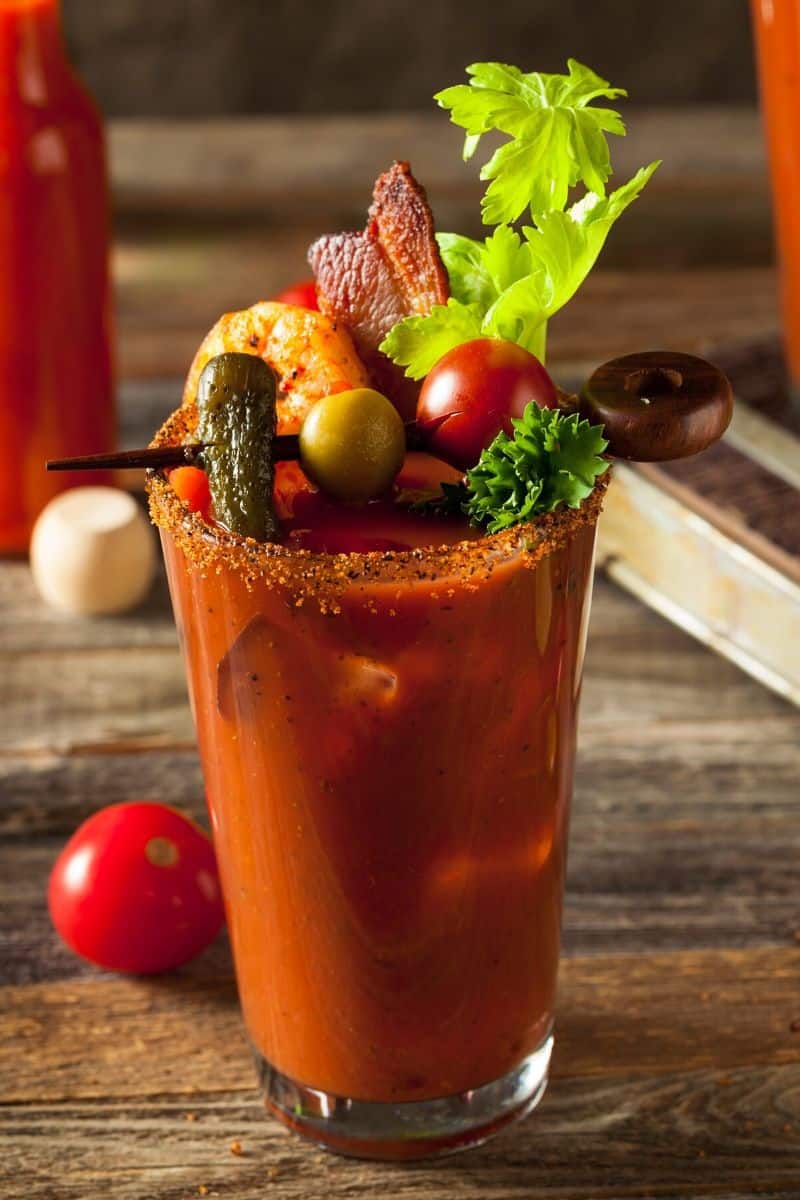
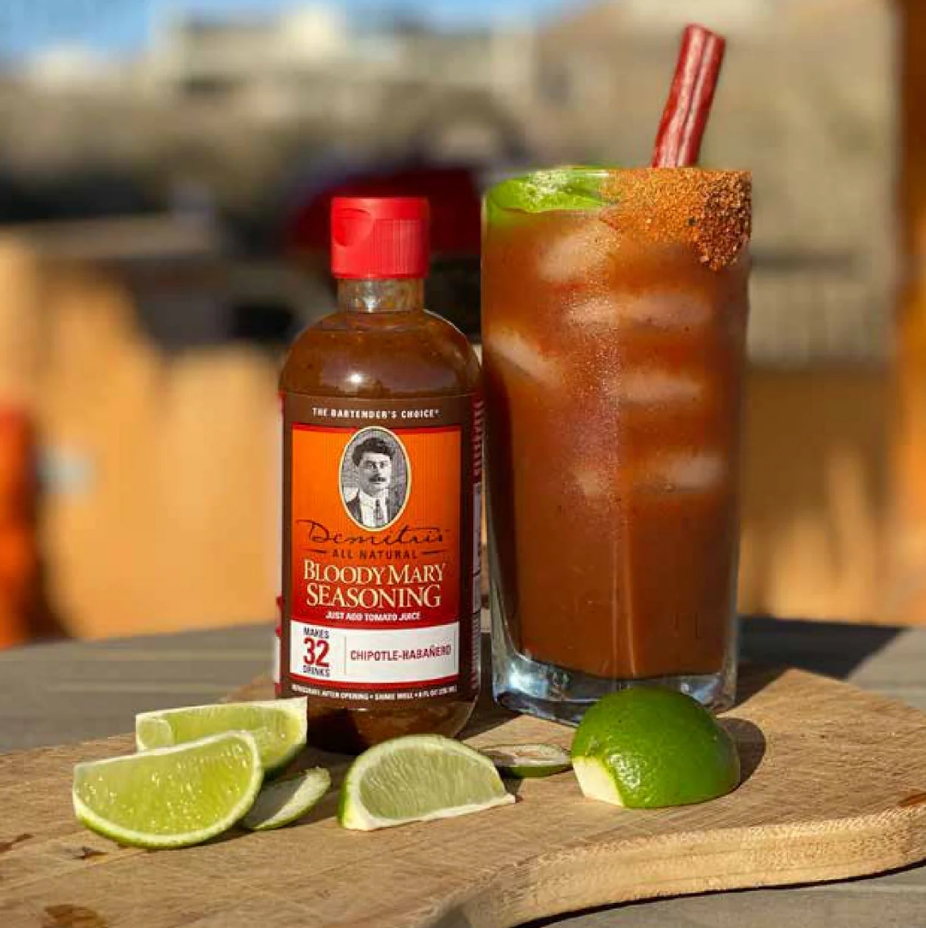
Pallis’ breakthrough was creating a seasoning-based system rather than a traditional pre-made mix. Bartenders could instantly produce fresh, scratch-quality Bloody Marys simply by combining Demitri’s seasonings with tomato juice. The approach dramatically simplified execution while preserving flavor, consistency, and bartender pride.
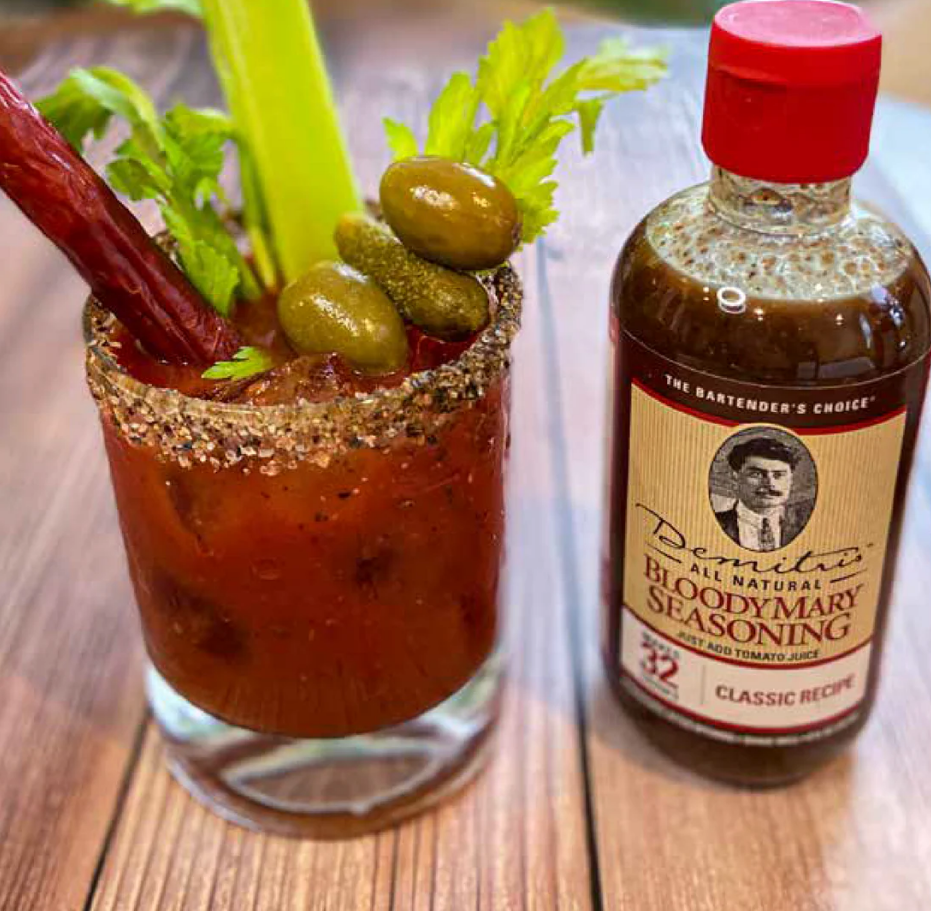
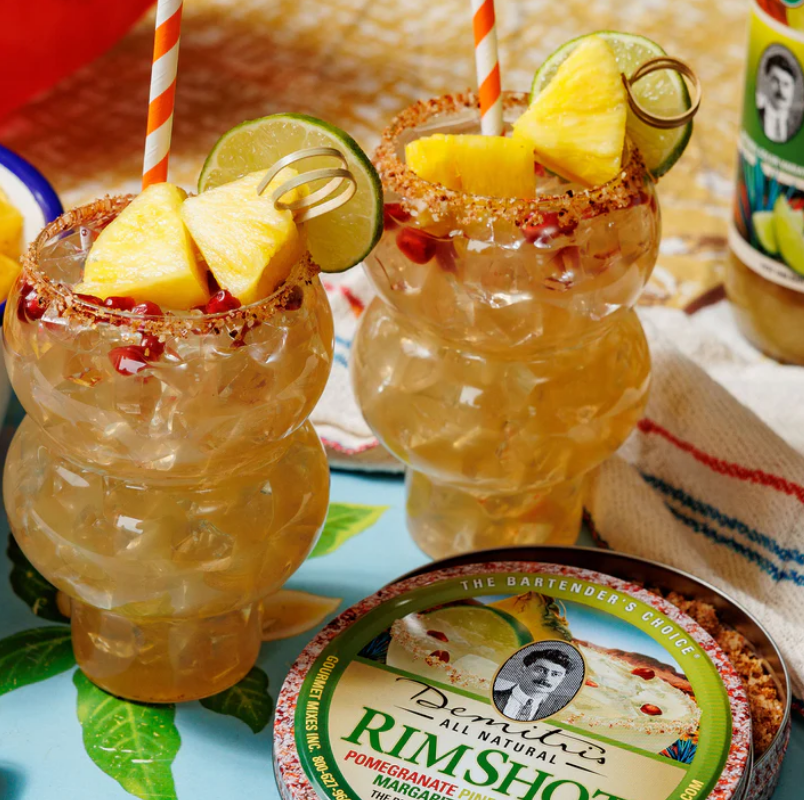
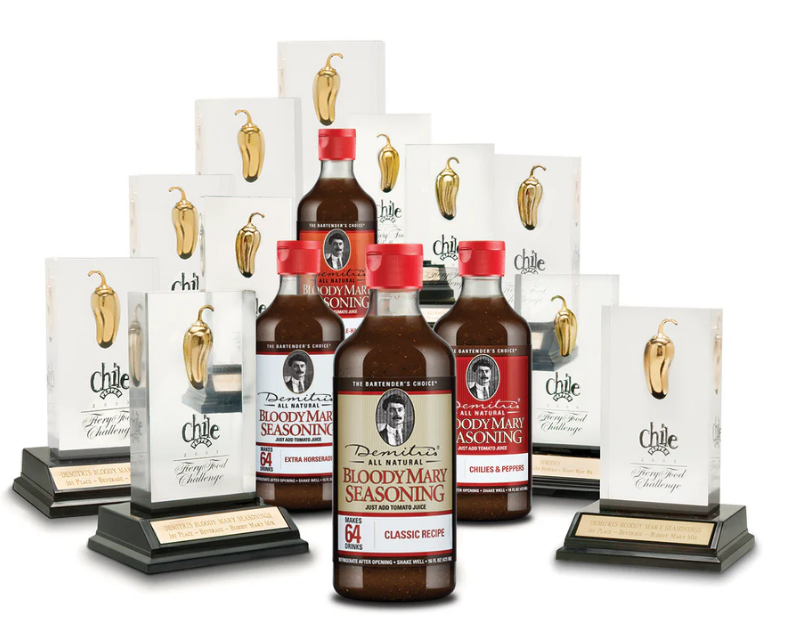
Today, the company’s products extend far beyond Bloody Marys. The lineup includes multiple seasoning profiles, margarita mixes, garnishing salts, marinades, beef jerky, and other hospitality-focused products that reflect the same flavor-forward philosophy that initially built the brand. The seasonings even found unexpected culinary uses early on when a friend used the blend as a steak marinade during a tasting party, opening the door to broader applications beyond cocktails.
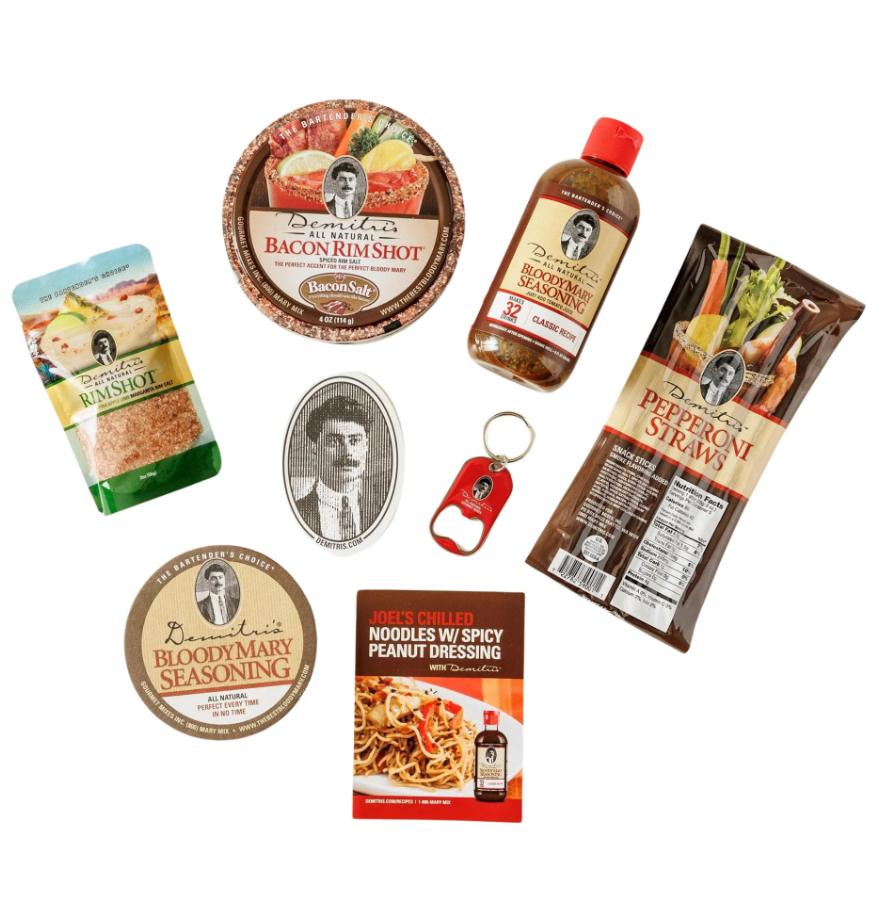
Still, despite its longevity and impressive customer roster that includes hospitality brands such as Topgolf, PF Chang’s, and Ruth’s Chris Steak House, Demitri’s remains something of an insider secret in the food and beverage world.
Below, founder and CEO Demitri Pallis dishes about the entrepreneurial journey behind the brand, the realities of building a hospitality business over 36 years, and why bartender identity and operational efficiency remain central to the company’s mission.
MK: Looking back, did you realize at the time that running out of Bloody Mary mix during that Seahawks game would ultimately change your life?
DP: Absolutely not. At the time, I was just frustrated. We were slammed, people wanted Bloody Marys, and suddenly we were selling longnecks instead. I was thinking like a bartender trying to survive a shift, not like an entrepreneur building a company. But that moment exposed a real operational problem that almost every bar dealt with. Either you made too much mix and it spoiled, or you made too little and ran out. There had to be a better way.
MK: What made you decide to create a seasoning system instead of simply another bottled Bloody Mary mix?
DP: Because I hated the bottled mixes. Most of them tasted terrible, honestly. They didn’t taste fresh, and they definitely didn’t taste handmade. What I wanted was a way for bartenders to make a fresh Bloody Mary quickly without sacrificing quality. The seasonings solved that. All you had to do was add tomato juice and you instantly had consistency, speed, and fresh flavor.
MK: Your business has now lasted more than three decades in a notoriously difficult industry. What do you think allowed the company to endure?
DP: The product works. At the end of the day, bartenders and operators are practical people. If something saves time, reduces waste, helps consistency, and tastes better, they keep using it. We grew bartender to bartender. One person would try it, then another bar would hear about it. That credibility mattered more than flashy marketing.
MK: Demitri’s seems to occupy an unusual position because it serves both hospitality professionals and consumers. Which audience do you view as the company’s true core customer?
DP: Bartenders and operators have always been the core audience. The product was built by a bartender for bartenders. Consumers buy it because they want restaurant-quality Bloody Marys at home, which is fantastic, but hospitality professionals really understand the operational value immediately.
MK: Hospitality businesses today are under enormous pressure from labor costs and efficiency challenges. How does Demitri’s fit into that conversation?
DP: That pressure is exactly why the product continues to resonate. Operators are constantly trying to balance speed, quality, staffing, and profitability. Training bartenders to make perfectly consistent cocktails every single time is difficult, especially during high-volume periods. Our seasonings help remove a lot of that friction while still delivering something that feels handcrafted.
MK: You’ve expanded beyond Bloody Mary seasonings into marinades, margarita mixes, salts, and other products. Was diversification always part of the plan?
DP: Not originally. A lot of it happened naturally. Early on, someone used the seasoning as a steak marinade and it was incredible. That opened my eyes to how versatile the flavor profiles were. From there, it became about listening to customers and seeing where the products could go organically.
MK: What surprises you most about today’s cocktail culture compared to when you first started?
DP: The level of creativity and presentation has exploded, which is great. But at the same time, the operational challenges behind the scenes are still very similar. Bars still struggle with consistency, prep time, staffing, and waste. The tools may change, but the core challenges remain surprisingly constant.
MK: Your story also feels deeply entrepreneurial because the business grew without massive outside investment or hype. Was that intentional?
DP: I think it was just how we were wired. We focused on building relationships and making a product people genuinely wanted to reorder. We didn’t chase trends. We didn’t try to manufacture hype. We just kept knocking on doors, listening to bartenders, and improving the business one customer at a time.
MK: What does success look like for you today after 36 years?
DP: Honestly, seeing bartenders still discover the product and react the same way they did decades ago is incredibly rewarding. When someone tastes it and immediately understands the difference, that never gets old. There’s also a lot of pride in building something that lasted this long in such a competitive industry.
MK: What advice would you give aspiring food and beverage entrepreneurs trying to build something sustainable today?
DP: Solve a real problem. That’s the biggest thing. Don’t just create a product because you think it sounds cool. Solve an actual pain point people experience every day. If you do that well and consistently, customers become your best marketing.
In many ways, Demitri’s Gourmet Seasonings represents a business model increasingly rare in today’s entrepreneurial climate. It is founder-led, operationally grounded, relationship-driven, and built through steady industry adoption rather than constant reinvention or aggressive visibility campaigns. Yet that quieter approach may be exactly why the brand has endured.
The hospitality industry itself continues evolving rapidly. Restaurants and bars face mounting pressure surrounding labor shortages, rising operational costs, consistency demands, and increasingly experience-focused consumers. According to the National Restaurant Association’s 2026 State of the Restaurant Industry report, operators continue prioritizing products and systems that improve efficiency while preserving quality and guest satisfaction.
Demitri’s appears uniquely positioned within that landscape because it addresses both operational practicality and customer-facing experience simultaneously. Bartenders can execute drinks more efficiently, operators can maintain consistency, and guests still receive a cocktail experience that feels fresh and elevated rather than mass-produced.
Perhaps most importantly, the company’s story reminds entrepreneurs that meaningful businesses are often born not from abstract market analysis, but from very human frustrations experienced in real time. A packed Seahawks game. A bar running out of mix. A bartender tired of waste and inconsistency. Those moments may not sound glamorous, but they sparked a business that has quietly shaped cocktail programs across the country for more than 36 years.
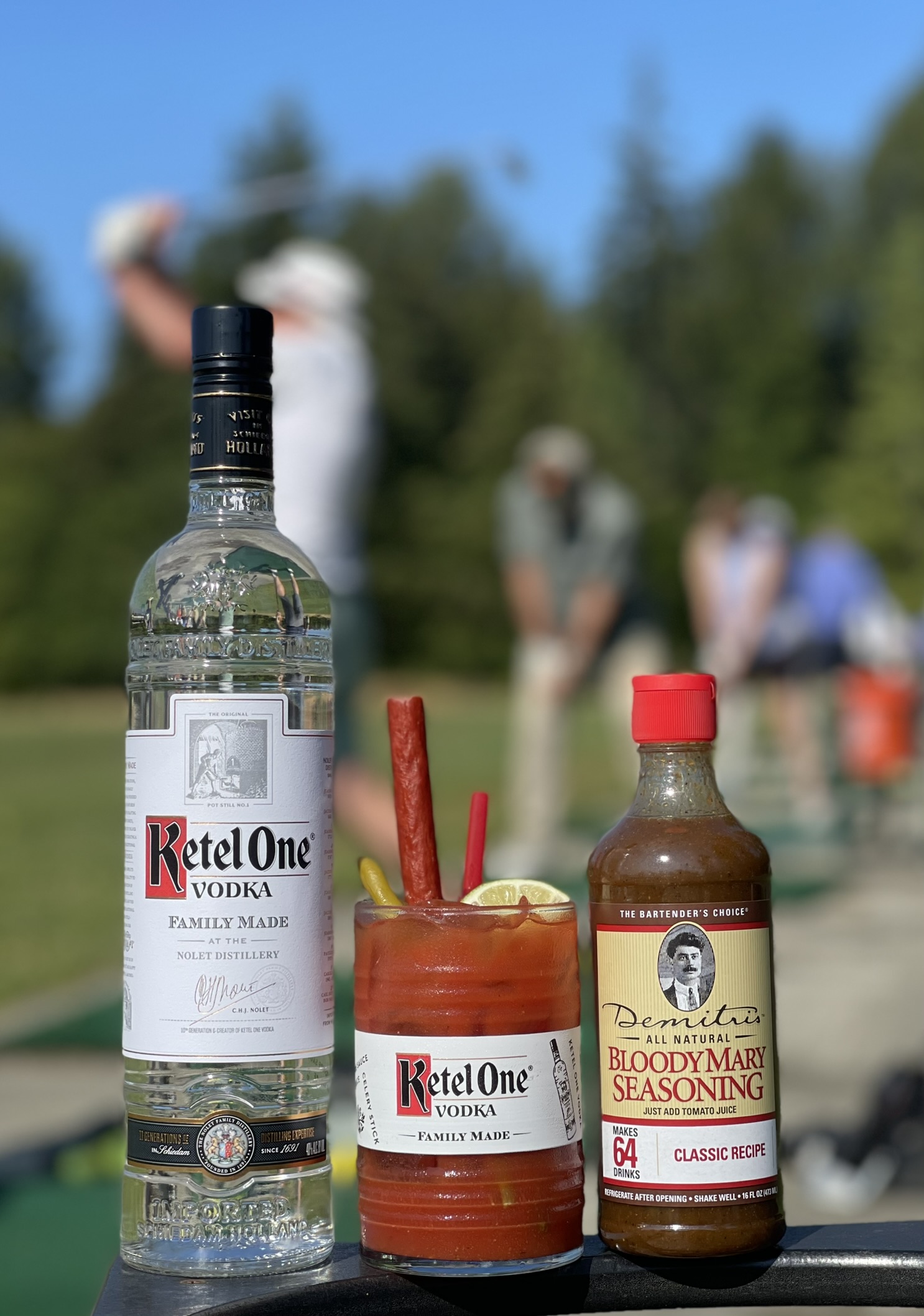
And for Demitri Pallis, the journey still feels far from finished. Even now, after decades in the industry, he continues approaching the business with the mindset of a bartender solving problems behind the bar. That authenticity remains deeply embedded in the brand itself. In an industry crowded with trends and marketing noise, Demitri’s continues succeeding the old-fashioned way: by making something people genuinely want to keep using.
~~~~~
Entrepreneur Leadership Network member Merilee Kern, MBA, is an internationally regarded communications strategist, brand analyst, author, and media personality. With more than two decades of experience and a client roster that includes Fortune 500 companies and Inc. 5000 businesses, Kern advises CEOs, C-suite executives, business leaders, and both business and personal/executive brands on elevating visibility, refining messaging, curating the desired image and strengthening marketplace authority. Kern is also a prolific media contributor and author, with editorial bylines and expert insights published across more than 450 media outlets, including Forbes, Fast Company, Newsweek, Entrepreneur and Rolling Stone. In television, Kern is the creator, executive producer, and host of multiple shows and appears frequently as a branding, business, lifestyle and consumer trends expert on major network, major market broadcast programs nationwide. Through her multi-channel global platform The Luxe List International News Syndicate, she spotlights industry innovators and executives, standout products and services, and noteworthy destinations and events. Merilee holds an MBA with a marketing specialty and a Bachelor of Science degree from Nova Southeastern University. Connect with her at www.TheLuxeList.com / Instagram www.Instagram.com/MerileeKern / Twitter www.Twitter.com/MerileeKern / Facebook www.Facebook.com/MerileeKernOfficial / LinkedIN www.LinkedIn.com/in/MerileeKern.
***Some or all of the accommodations(s), experience(s), item(s) and/or service(s) detailed above may have been provided at no cost and/or arranged to accommodate this review, but all opinions expressed are entirely those of Merilee Kern and have not been influenced in any way as per the disclosure policy on our “Legal” page***